The tides are shifting in the tumultuous ocean known as the freshman academy. In an attempt to structure and personalize the ninth-grade experience, this year’s freshman class has been divided into three different teams. While wading through the crowded hallways, you’ll hear the roar of team Lion Heart, feel the hot breath of team Dragon Fire, and see the shining armor of team Silver Knights.
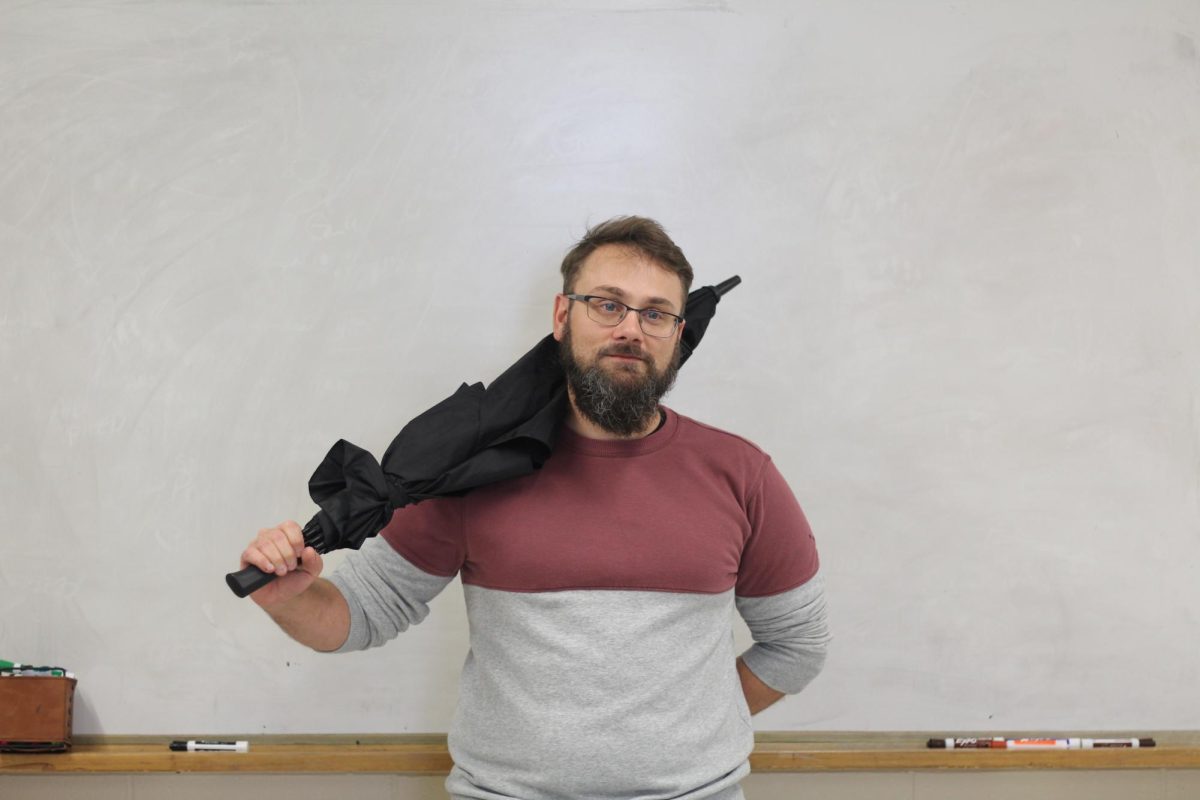
Each team is rallied around its corresponding team leader. The resident arch-reptile of Dragon Fire is English teacher Alexa Ault. In the Lion Heart pride, science teacher Lynn Bumstead is the alpha feline. Finally, science teacher Zachary Schmidtke is king, reigning over his silver knights.
“The [freshman] academy will host monthly student recognition events and feature friendly team competitions throughout the year,” said assistant principal Andrew Muysenburg.
Although the three dynasties are preparing for fierce (but friendly) battle in anticipation of their team competitions, according to Muysenberg, they will still combine forces for the greater good twice a month to discuss students on their team.
Since its implementation, the leaders have come to the consensus that the new teams are an improvement over previous years.
“We actually had teams last year, but students were not aware of it. We’ve had better results this year because we have more of a team,” said Ault in retrospect on the controversial semester switch. “It was really more because we didn’t have shared students. It wasn’t as perfect because we didn’t have semesters. Because of the semester switch, it was easier to put students in cohorts like this.”
Wild and untamed, the freshman academy benefits from structure and unity, which is supplied to them by their new teams. However, teachers feel there is still room to improve.
“I think there’s great potential in it,” said Bumstead. “Getting to that potential is going to be the issue.”
Teams serve as an additional opportunity to personalize each student’s ninth-grade year, making it work best for them.
“We get to see how students react and act in different classrooms to figure out what more they need and cater [the teaching] to what they need,” said Ault. “If I’m having trouble with one student grasping content, I can ask Ms. Devries what she is doing that is helping this student get where they need to get.”
Freshman year is a difficult transition phase for many students, but through cooperation between teachers, teams can make the experience work for individual students’ specific and personal needs.
Unfortunately, any brilliant conception comes with its flaws. Freshman teams are a more complex system than in previous years, and they require more communication and time dedication from the teachers.
“There are a lot of moving parts, so some stuff falls through the cracks,” said Schmidtke. “The communication aspect is a little bit challenging at times.”
Communication isn’t the only issue. The problem of time is also an effect of the new freshman teams.
“All freshman teachers have to meet twice a month during our plan periods,” said Ault. “So it does take time, but it’s time well spent.”
It’s a small price to pay for the vitality of their profession: the students. The lions, knights and dragons will hopefully build structure and personalize the ninth-grade experience for generations to come.